

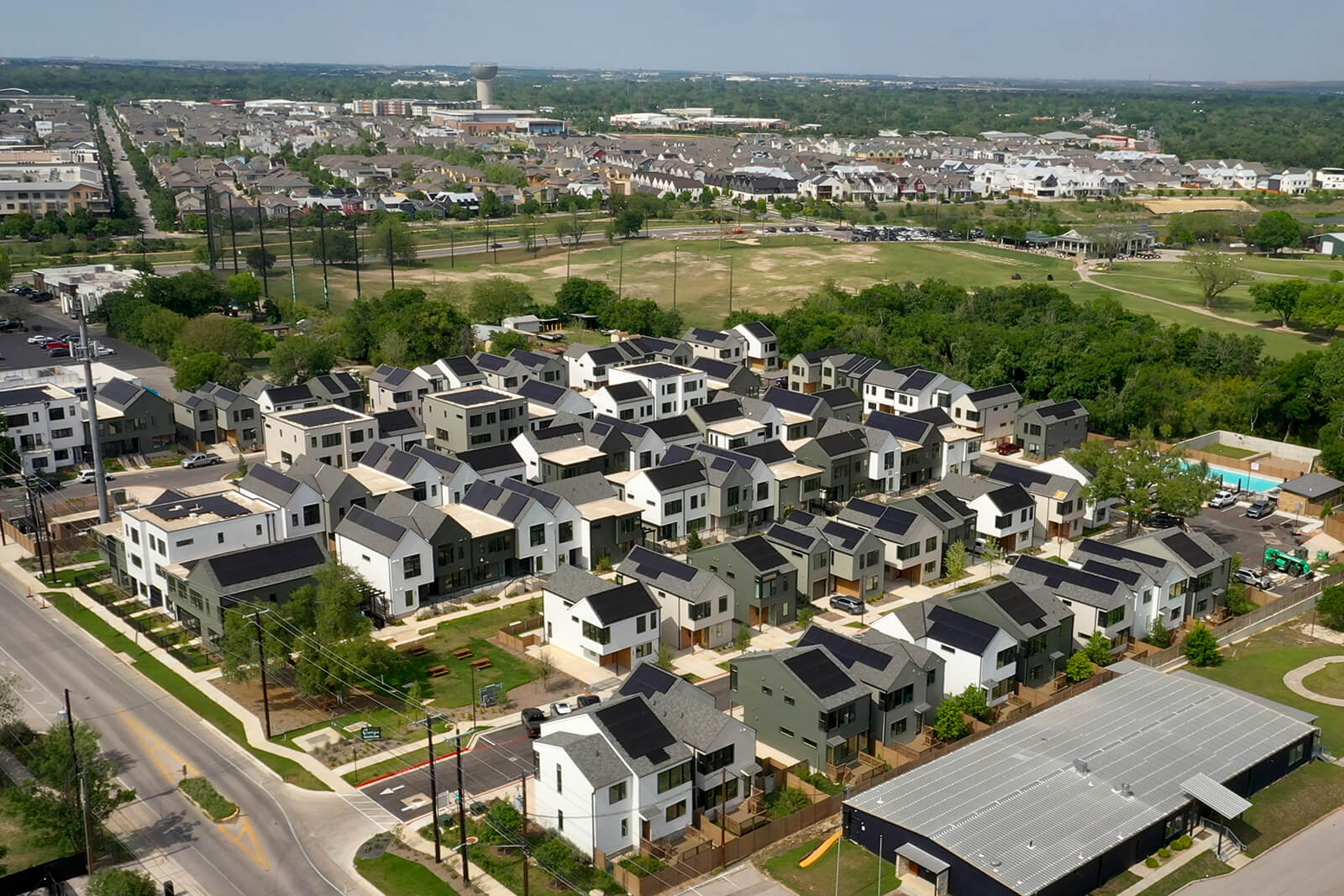
When people think about buying a home, they focus on price, layout, finishes, and location. All important. But long-term satisfaction often comes down to something less obvious: community.
The value of community is measurable, not just emotional.
1. Homes in Connected Neighborhoods Hold Value More Consistently
Research from the National Association of Realtors consistently shows that neighborhood quality ranks among the top factors influencing purchase decisions and resale value. Buyers prioritize proximity to amenities, walkability, and overall neighborhood feel because those features support long-term demand.
When a community has shared identity and active engagement, turnover tends to be steadier and price volatility lower compared to isolated or less cohesive areas.
2. Social Connection Impacts Well-Being
A large body of research, including studies from Harvard’s Study of Adult Development, has found that strong social ties are one of the most significant contributors to long-term happiness and health outcomes.
Where you live shapes how often you interact with neighbors, spend time outdoors, and build routine connections. Front porches, shared streets, nearby gathering spaces, and visible activity increase the likelihood of meaningful interaction.
That has real life impact beyond property value.
3. Community Design Influences Daily Behavior
Urban planning research shows that walkable environments and thoughtfully designed neighborhoods increase physical activity, informal social encounters, and overall satisfaction with where people live.
Small design decisions matter:
- Human-scale streets
- Shared green space
- Homes oriented toward one another
- Mixed-use or nearby local amenities
These elements create natural opportunities for connection rather than isolation.
4. Buyers Stay Longer in Communities They Feel Connected To
Homeownership is not just a financial decision. It is a lifestyle commitment. Studies show that homeowners who feel integrated into their neighborhood report higher satisfaction and are less likely to move prematurely.
Stability benefits both the individual and the broader market. Lower turnover strengthens long-term value.
What to Consider When Evaluating Community
When touring homes this spring, look beyond the interior:
- Are people outside?
- Does the layout encourage interaction or separation?
- Is there a shared identity or energy in the neighborhood?
- Can you picture your daily routine unfolding comfortably there?
Square footage matters. Price matters. But community often determines whether a house feels like a long-term home.
In a competitive spring market, it is easy to focus on speed. It is equally important to evaluate where you are planting roots.
Because over time, community becomes part of the return on your investment.